Mapping user interface personalization trends with sustained participation shifts between automated reel sequences and synchronized table competitions inside cumulative reward frameworks
Written by Yara Keller · Nov 21, 2026
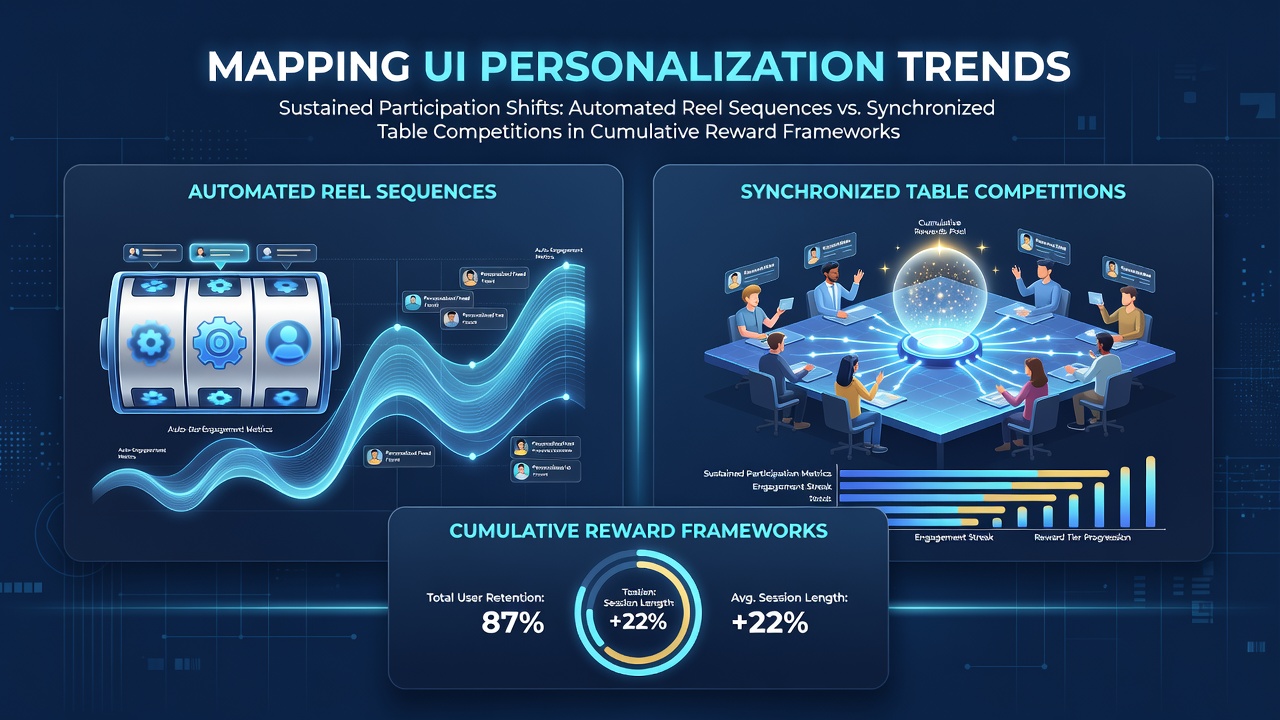
Mapping user interface personalization trends with sustained participation shifts between automated reel sequences and synchronized table competitions inside cumulative reward frameworks
Operators track how players move between automated reel sequences and synchronized table competitions through layered user interface designs that adapt in real time based on cumulative reward data, and these systems record participation metrics across multiple sessions to identify patterns that emerge when reward thresholds trigger interface adjustments.
Core Elements of Interface Personalization in Reward Systems
Automated reel sequences rely on algorithms that adjust symbol arrangements and bonus triggers according to individual play histories, while synchronized table competitions incorporate timing elements that align multiple participants around shared events such as dealer rotations or tournament rounds, and cumulative reward frameworks compile points from both formats to unlock tiered benefits that appear in navigation menus and progress indicators.
Research from the University of Nevada's gaming analytics group shows that interfaces which surface reward progress immediately after reel spins maintain session continuity when players switch to table formats, because the same point accumulation display carries over without requiring separate logins or menu resets, and this continuity correlates with measurable increases in cross-format activity during monitored periods.
Observed Shifts in Participation Patterns
Data collected through platform telemetry indicates that players often begin sessions with reel sequences before migrating to table competitions once cumulative reward meters reach specific milestones, and interface elements such as dynamic banners highlight upcoming synchronized events to facilitate these transitions without disrupting flow.
Figures from an Australian Institute of Family Studies report on digital gambling behaviors reveal that personalization layers which prioritize table competition notifications after extended reel play reduce drop-off rates by presenting tailored entry points, while reward frameworks that integrate both game types into a single loyalty ledger encourage sustained engagement across November 2026 observation windows.
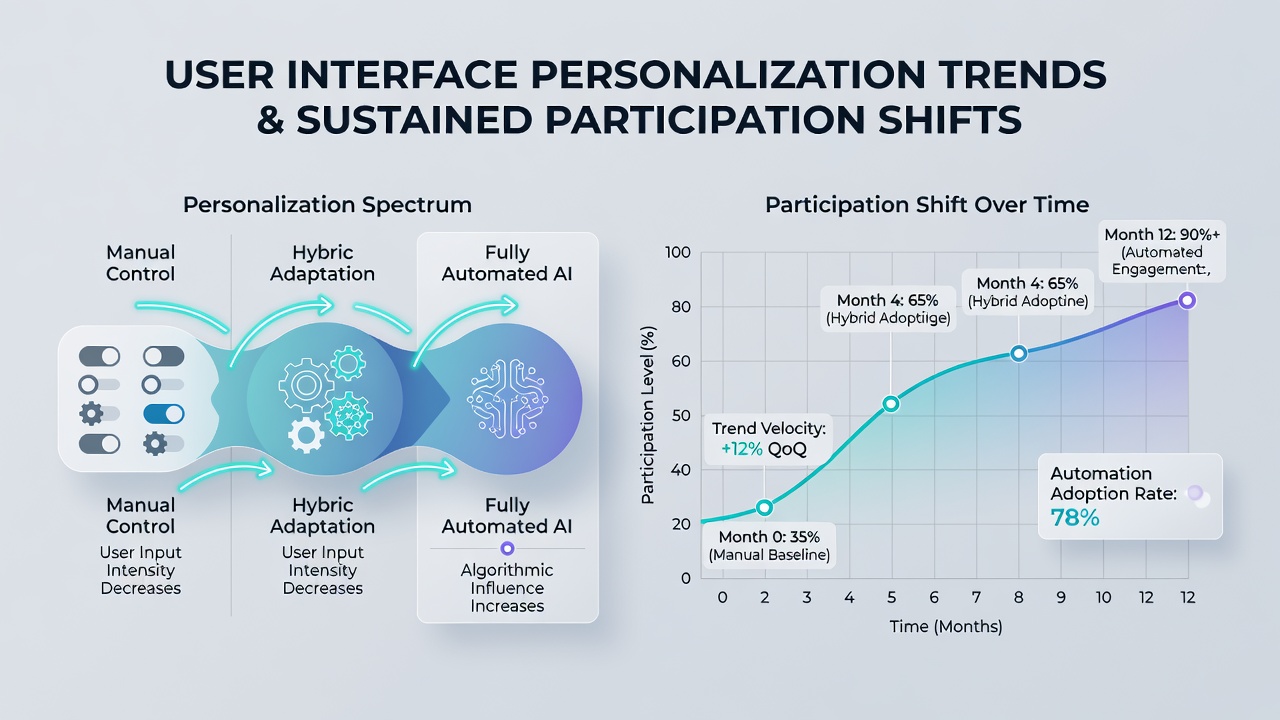
One study tracked account-level activity and found that when interfaces automatically resize reel displays to accommodate table competition previews, participation in synchronized events rises proportionally to the visibility of accumulated points from prior reel sequences, and this adjustment pattern holds across different operator platforms that share similar backend reward structures.
Technical Mechanisms Driving Sustained Engagement
Developers implement machine learning models that analyze dwell time on reel sequences versus table competitions, then modify interface layouts to emphasize the format showing lower recent activity while preserving access to reward multipliers earned in the other, and these models update based on aggregated data streams collected through November 2026.
According to findings published by the European Gaming and Betting Association, frameworks that embed competition timers directly into reward dashboards allow players to monitor both reel progress and table synchronization simultaneously, which supports longer overall participation intervals without forcing manual navigation between separate game lobbies.
Regional Data on Interface Adaptations
Canadian regulatory filings from provincial gaming authorities document how operators in multiple jurisdictions deploy A/B testing on interface variants that highlight cumulative rewards during table competition sign-ups, and results indicate higher conversion when reel sequence history appears alongside entry prompts for synchronized events.
These adaptations maintain consistency with broader loyalty program rules, where points from automated sequences contribute to eligibility for table-based leaderboards, and interface elements reflect that eligibility through color-coded status indicators rather than separate tracking screens.
Conclusion
Platform telemetry and cross-regional reports continue to map how personalization layers influence movement between reel sequences and table competitions inside unified reward systems, with November 2026 datasets providing additional reference points for operators refining interface timing and display priorities.